Strong youth strong communities
Four core approaches designed to create real impact - for youth today and Native communities for generations.

Youth summits & community activations
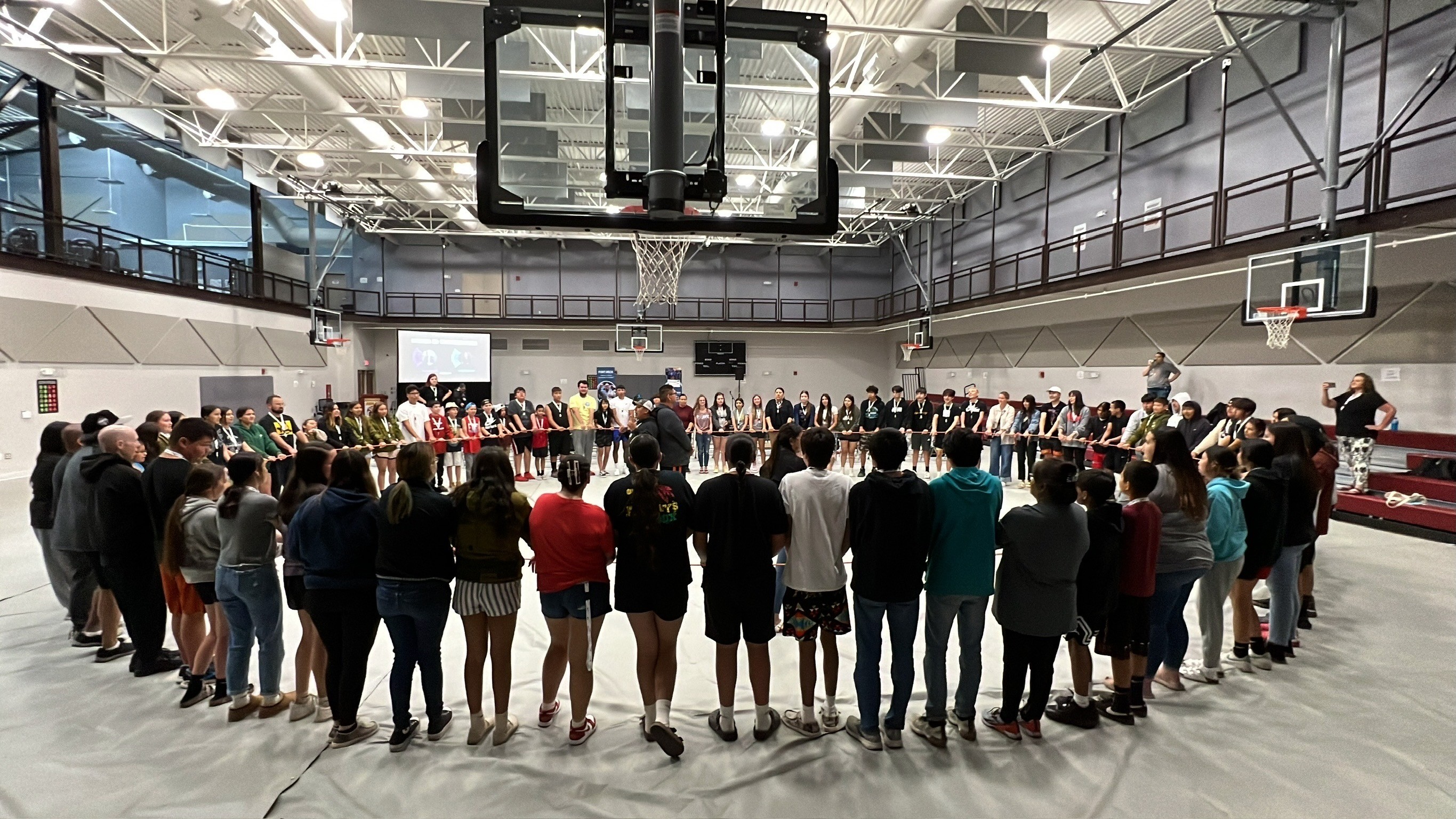
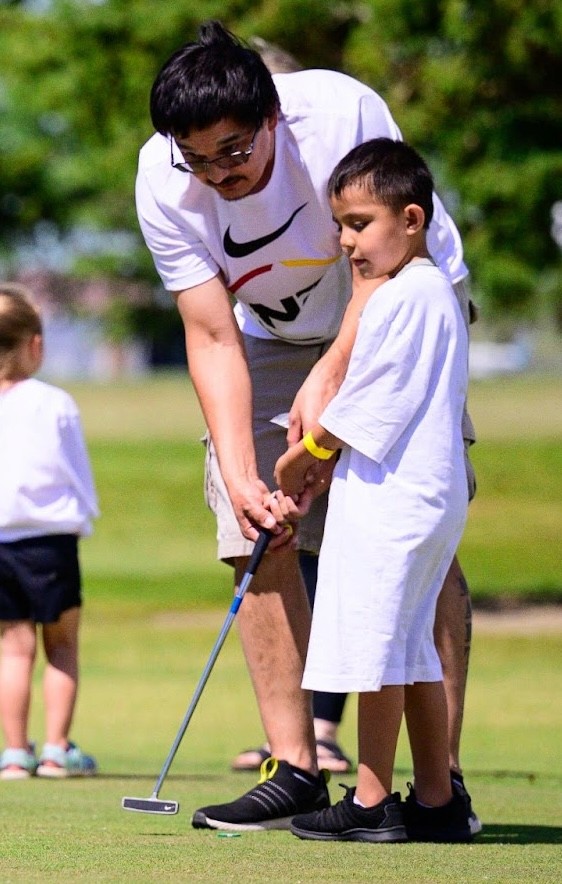
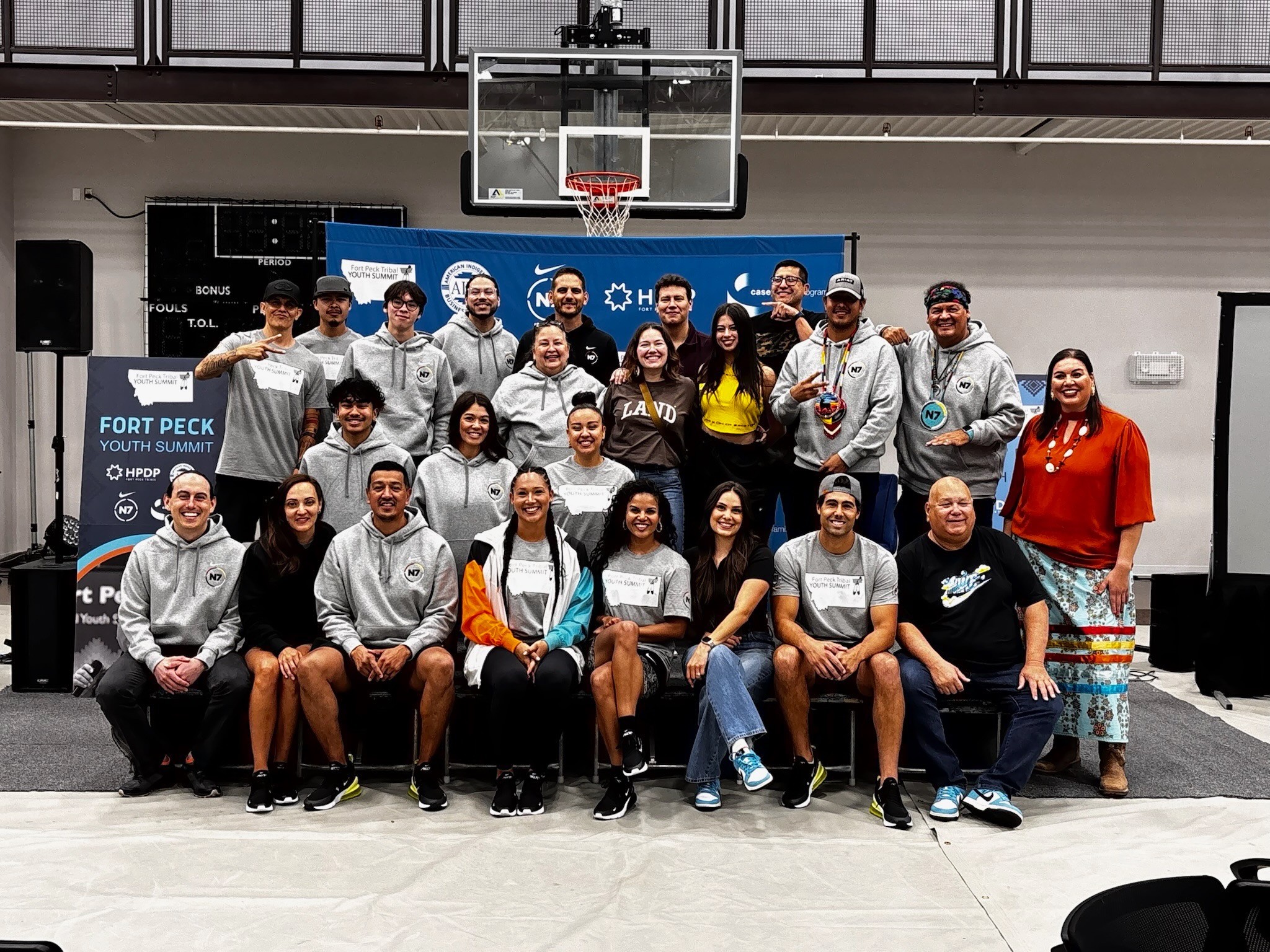
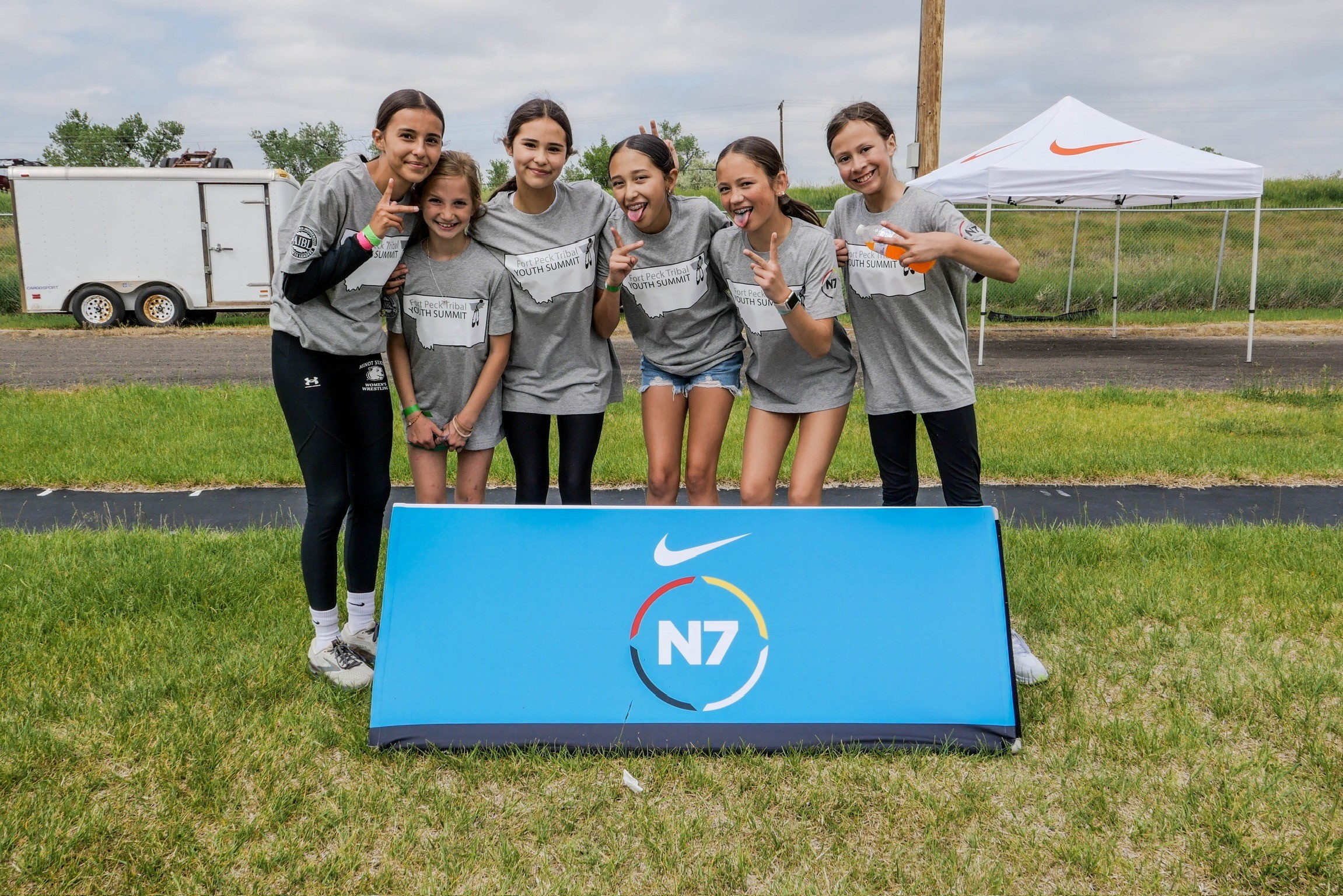
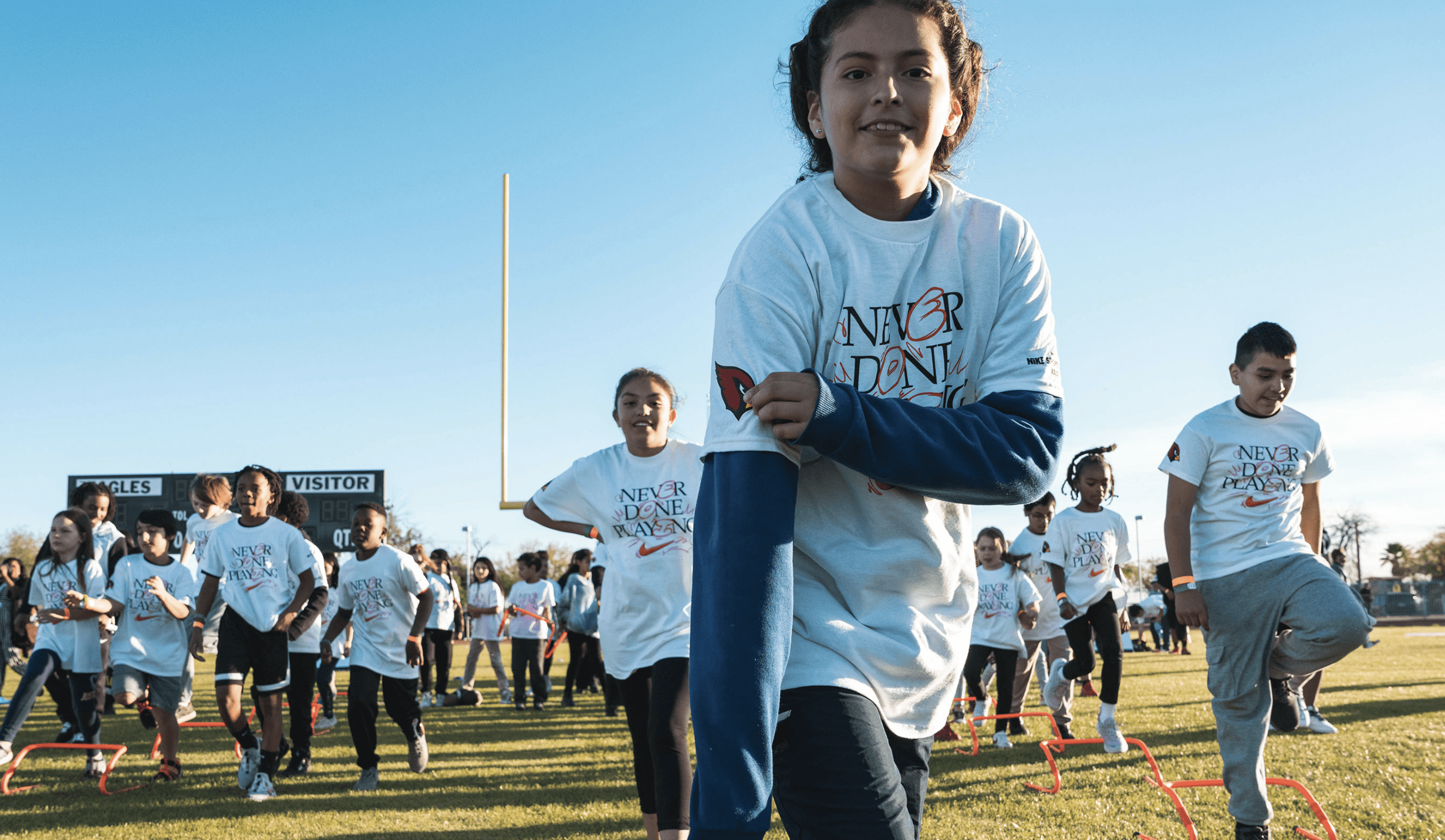
SMCYP convenes youth-centered gatherings that combine sport, culture, mentorship, and leadership development. Through summits, sports camps, field days, outdoor experiences, and traditional activities, Native youth connect with prominent Native athletes, leaders, and storytellers who inspire and guide the next generation.
These aren't one-off events. Each activation is designed to strengthen belonging, cultural identity, and mental wellness and to surface best practices that inform programming built to scale nationally.
Community capacity building
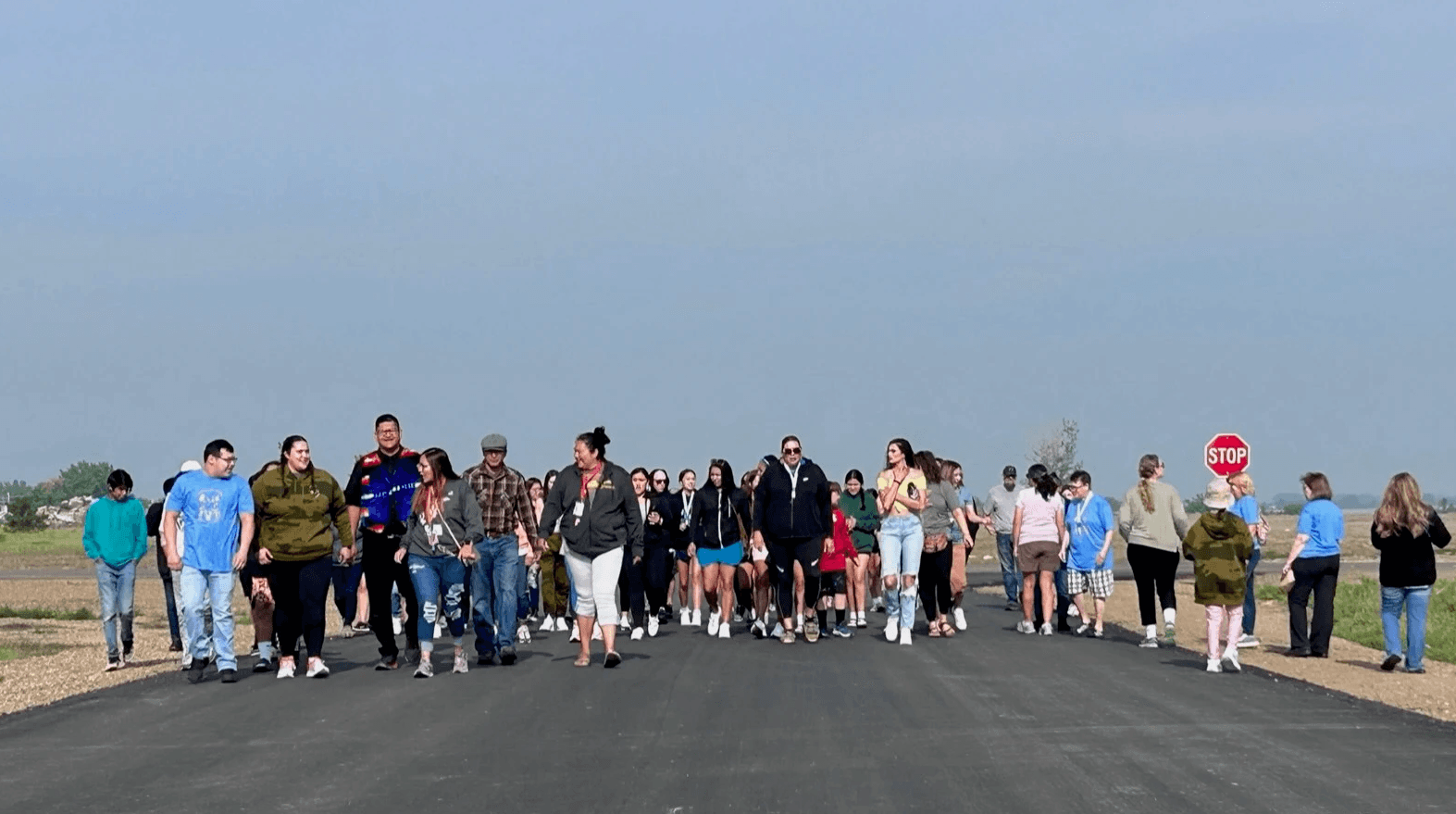
The most durable change happens from within. SMCYP partners with Tribal communities to strengthen local youth infrastructure, equipping youth staff, educators, coaches, and community leaders with culturally grounded tools and practices that support mental wellness and youth development.
This reduces dependence on outside interventions and builds the kind of long-term support systems that Native communities can own, sustain, and grow.
Policy & advocacy for Native youth mental health
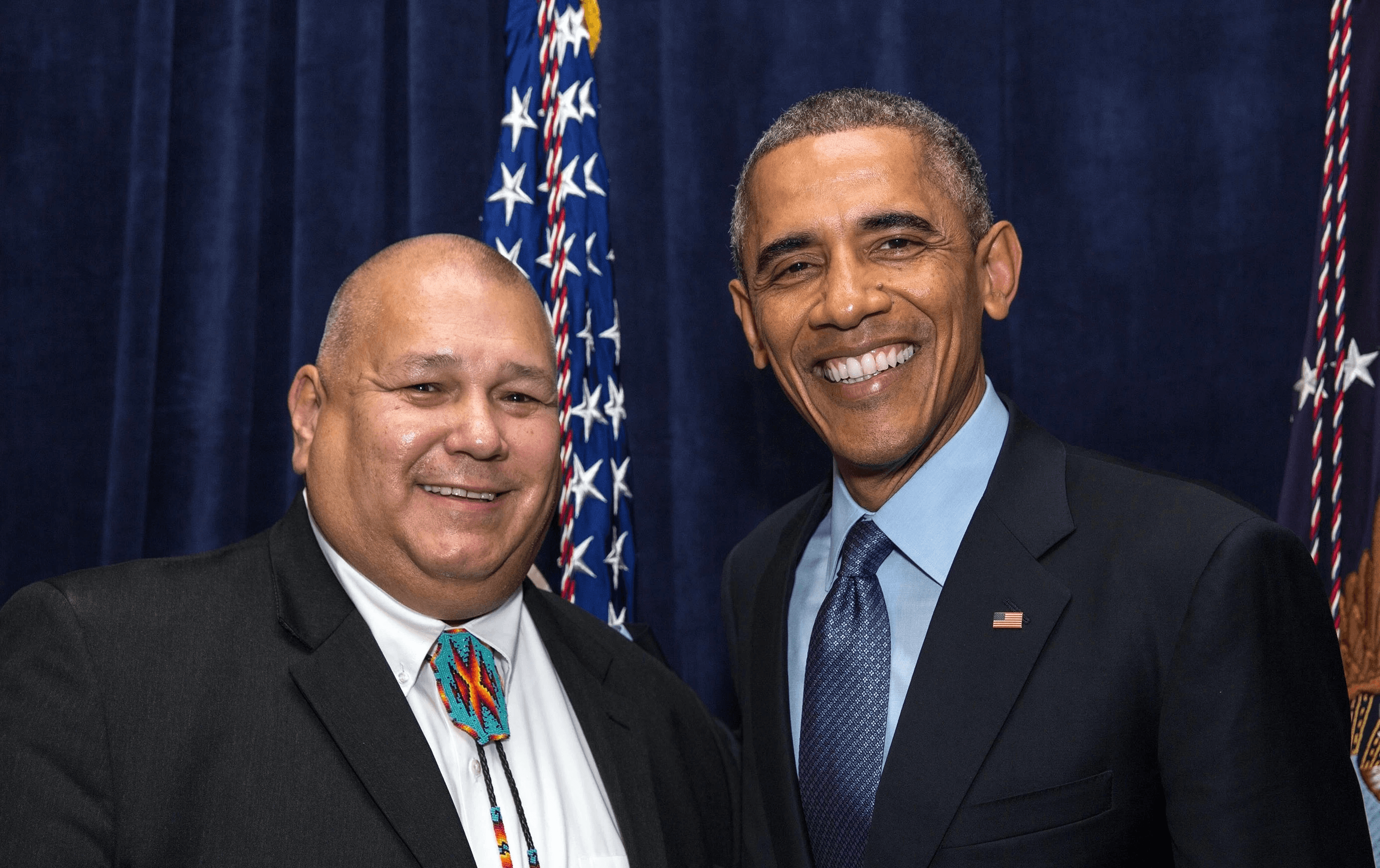
Native youth perspectives are too often absent from the policy conversations that shape their futures. SMCYP works with Tribal leaders, youth advocates, and national partners to change that - translating complex policy into accessible information for communities, elevating youth-informed priorities, and participating in coalitions at the state and federal level.
The goal: ensure Native youth mental health is not just recognized, but resourced and addressed at the systems level.
Experts, educators & strategic partnerships
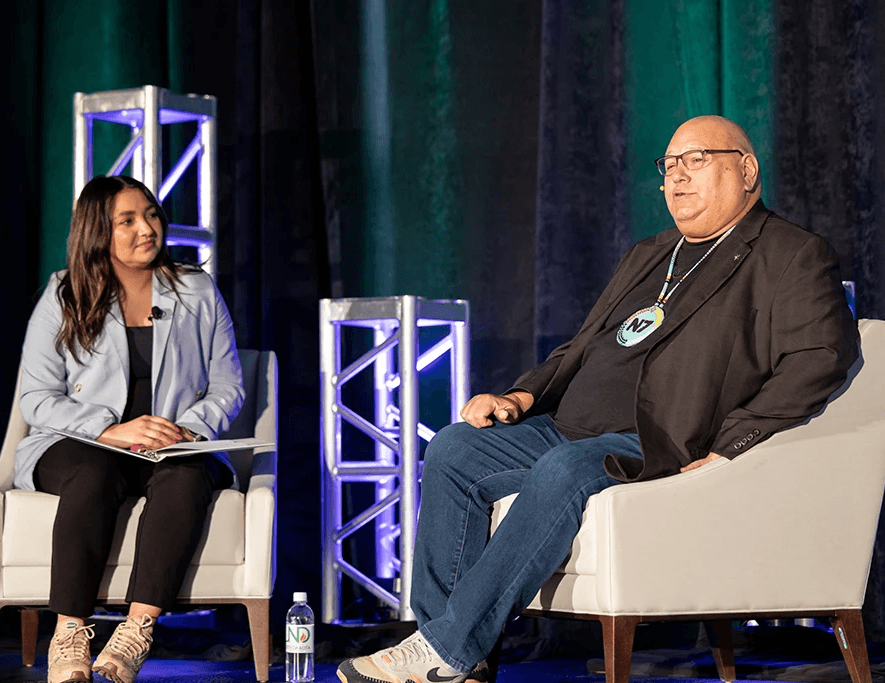
The most durable change happens from within. SMCYP partners with Tribal communities to strengthen local youth infrastructure, equipping youth staff, educators, coaches, and community leaders with culturally grounded tools and practices that support mental wellness and youth development.
This reduces dependence on outside interventions and builds the kind of long-term support systems that Native communities can own, sustain, and grow.